
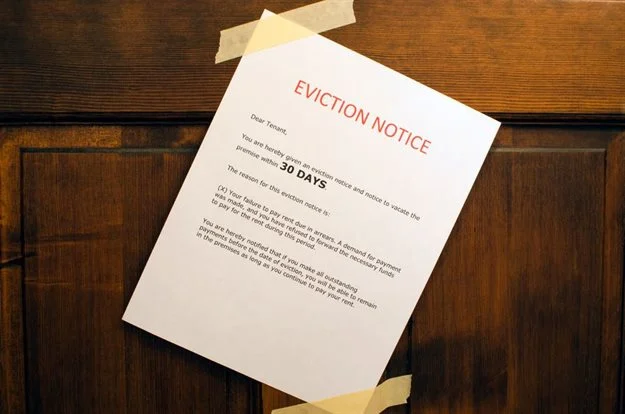
Tenants enjoy robust legal protections against arbitrary evictions, ensuring their right to adequate housing is upheld. This legislation is designed to prevent unlawful evictions and ensure that tenants are treated fairly, with due process followed at every step.
Additionally, the South African Constitution enshrines the right to housing, further reinforcing the legal framework that safeguards tenants from being unjustly removed from their homes.
These laws collectively aim to balance the rights of property owners with the need to protect vulnerable tenants, promoting social justice and stability in housing.
There are four laws that impact evictions, addressing a range of important issues for tenants and property owners (landlords):
- The Prevention of Illegal Eviction from Unlawful Occupation of Land Act (PIE Act) and the Extension of Security of Tenure Act (ESTA):
- The PIE Act bans unlawful evictions in urban areas (i.e., towns, cities, and villages). It also sets out the process that landlords must follow to evict a tenant who is occupying their property illegally.
- ESTA governs farmland and land zoned for agriculture, preventing the unlawful eviction of legal tenants, especially labour tenants as defined in the Labour Tenants Act.
- Rental Housing Act and Rental Housing Amendment Act (RHA):
- The RHA outlines the relationship between landlords and tenants, including ways to resolve disputes through the Rental Housing Tribunal. Each province has a Rental Housing Tribunal, and every municipality must have a rental officer.
- This act specifies the rights and obligations of tenants and landlords. It is a criminal offense for a landlord to contravene this act, punishable by a fine and/or a prison sentence.
- The Consumer Protection Act (CPA):
- The CPA protects all consumers’ rights, with nine listed in the act. Five of these are particularly relevant to tenants: the rights to privacy, choice, disclosure of information, fair and honest dealing, and fair value, good quality, and safety.
The legal framework in South Africa provides comprehensive protections for tenants, ensuring their rights are upheld and promoting fair treatment in housing matters. The combination of constitutional rights and specific legislation, such as the PIE Act, ESTA, RHA, and CPA, creates a balanced approach that safeguards tenants while respecting the rights of property owners. This robust legal structure not only prevents unlawful evictions but also fosters social justice and stability within the housing sector.
The information provided in this article does not, and is not intended to, constitute legal advice; instead, all information, content, and materials available in this article are for general informational purposes only. Readers of this article should contact us or any other attorney to obtain advice with respect to any particular legal matter. No reader, user, or browser of this article should act or refrain from acting on the basis of information on this article without first seeking legal advice. Only your individual attorney can provide assurances that the information contained herein – and your interpretation of it – is applicable or appropriate to your particular situation. All liability with respect to actions taken or not taken based on the contents of this article are hereby expressly disclaimed. The content on this posting is provided “as is;” no representations are made that the content is error-free.