
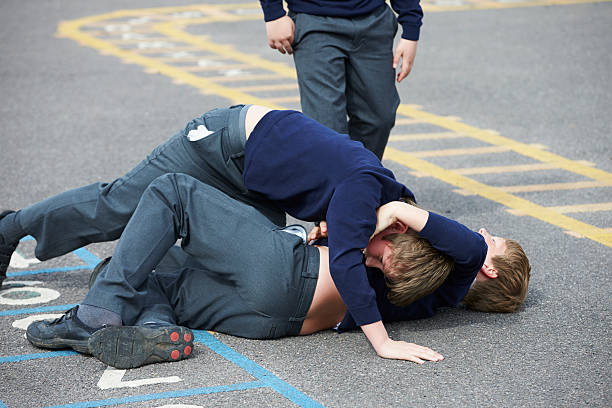
School fights may seem like disciplinary issues, but in South Africa they carry serious legal consequences. When learners engage in physical altercations, schools must balance discipline with constitutional rights, while parents and learners should understand the potential liability. Importantly, schools themselves can face liability if they fail to act reasonably to prevent or respond to violence.
1. Disciplinary Framework
- Governed by the South African Schools Act (SASA) and each school’s Code of Conduct.
- Fighting is classified as serious misconduct.
- Learners are entitled to due process: notice of charges, a fair hearing, and representation.
- Sanctions can include suspension or expulsion, but must be proportionate and procedurally fair.
2. Criminal Liability
- Physical fights may amount to assault, a criminal offence under South African law.
- Depending on severity, cases can be referred to the South African Police Service (SAPS).
- Learners under 18 fall under the Child Justice Act, which emphasizes rehabilitation but still allows prosecution.
3. Civil Liability
- Injured learners (or their parents) may sue for damages (medical costs, pain and suffering).
- Schools may face liability if they failed in their duty of care (e.g., inadequate supervision).
- Teachers and principals act in loco parentis (in the place of parents) and must ensure learner safety.
4. Bullying and Repeat Offences
- Fights linked to bullying trigger additional obligations under anti-bullying policies.
- Schools must investigate, provide victim support, and may be held accountable if they ignore patterns of violence.
5. Learners’ Rights
- Learners retain constitutional rights to dignity, equality, and fair treatment.
- Disciplinary action must not be arbitrary or humiliating.
- Parents can challenge unfair procedures through the Department of Education or courts.
Practical Steps Schools Can Take to Avoid Liability
- Adopt a clear Code of Conduct: Ensure rules against fighting and bullying are explicit, communicated, and consistently enforced.
- Supervision: Maintain adequate supervision during breaks, transitions, and high-risk areas (playgrounds, corridors).
- Anti-bullying programs: Implement proactive measures to identify and address bullying before it escalates into violence.
- Training for staff: Equip teachers with conflict management and de-escalation skills.
- Document incidents: Keep detailed records of fights, disciplinary actions, and interventions. Documentation is critical if liability is challenged.
- Fair disciplinary processes: Ensure hearings are procedurally fair, with opportunities for learners to present their side.
- Parental engagement: Involve parents early in addressing misconduct to prevent escalation.
- Restorative justice approaches: Encourage reconciliation and mediation where appropriate, reducing repeat incidents.
A fight on campus is not just “kids being kids” — it can trigger disciplinary, criminal, and civil liability. Schools must act within the law, parents must be vigilant, and learners should understand that violence has lasting consequences. By adopting clear policies, ensuring supervision, and documenting interventions, schools can minimize liability while fostering a safe learning environment.
The information provided in this article does not, and is not intended to, constitute legal advice; instead, all information, content, and materials available in this article are for general informational purposes only. Readers of this article should contact us or any other attorney to obtain advice with respect to any particular legal matter. No reader, user, or browser of this article should act or refrain from acting on the basis of information on this article without first seeking legal advice. Only your individual attorney can provide assurances that the information contained herein – and your interpretation of it – is applicable or appropriate to your particular situation. All liability with respect to actions taken or not taken based on the contents of this article are hereby expressly disclaimed. The content on this posting is provided “as is;” no representations are made that the content is error-free.